Is It Worth Renovating Your Apartment Before Renting It Out in Barcelona? (2026)
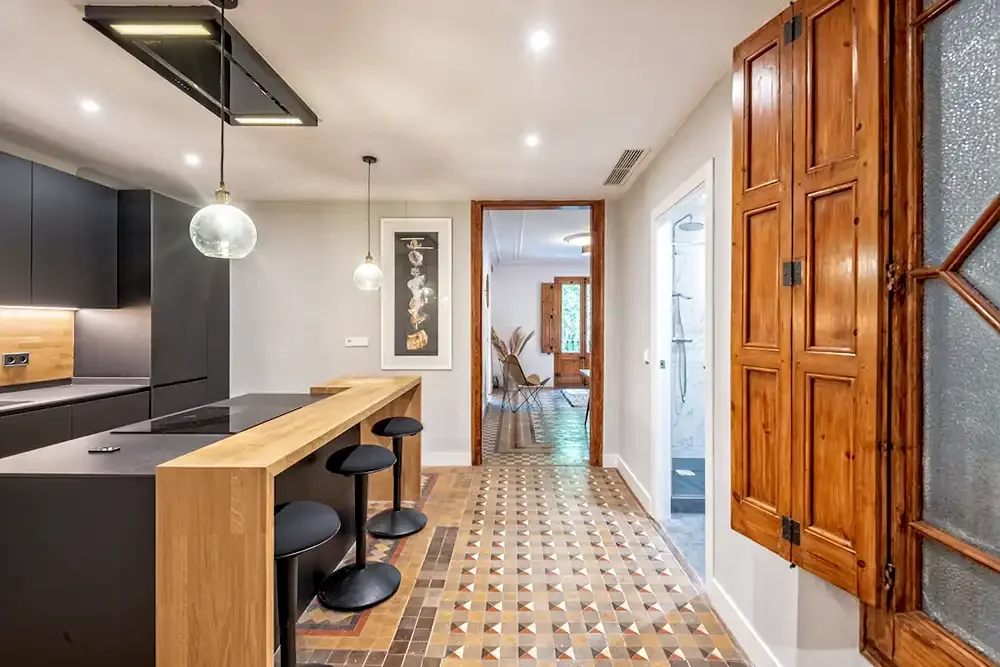
You have just bought an apartment in Barcelona, or perhaps you have owned one for years, and you are wondering whether to renovate it before putting it on the rental market. It is a question we hear often, and the honest answer is: it depends. Not every apartment needs a full overhaul. Not every euro spent on renovation comes back to you through higher rent. The key is knowing where to invest, where to hold back, and how to think about your property as a long-term asset rather than a quick project.
In this article, we will walk you through the decisions that actually matter when you renovate an apartment before renting in Barcelona. We will look at what the current rental market rewards, which improvements tend to pay for themselves, and which ones rarely do.
Why This Question Matters in Today’s Market
The rental market here has shifted significantly over the past few years. Today’s renters are more selective. They compare dozens of listings online before arranging a viewing. They notice details: the quality of light, the condition of the bathroom, whether the kitchen feels functional or dated. First impressions are formed through photographs before anyone steps through the door.
At the same time, the city has tightened regulations around short-term rentals. Many owners who previously relied on tourist income have moved into the long-term rental sector, increasing competition. An apartment that looks tired or neglected simply gets passed over. Tenants have options, and they will choose the property that feels well-maintained and ready to live in.
For owners, this means that preparing an apartment properly is no longer optional if you want consistent rental income and reliable tenants. But preparation does not always mean renovation. Sometimes it means targeted improvements. Sometimes it means styling and maintenance. The challenge is telling the difference.
If you have recently purchased a property in Barcelona, our Barcelona Property Buying Guide explains the legal, financial and practical considerations every buyer should understand. Making informed decisions from the beginning helps protect your investment over the long term.
Why Renovating Before Renting Can Be Worth It
There are solid reasons to consider an apartment renovation before listing your property. The benefits go beyond simply charging a higher monthly rent.
First Impressions Drive Everything
In a market where most tenants begin their search online, the photographs of your property are your first and often only chance to capture attention. A freshly painted wall, clean flooring, and good lighting make an apartment look cared for. A stained ceiling, outdated tiles, and dim corners suggest neglect. Tenants make assumptions about how responsive a landlord will be based on what they see in the listing. A well-presented apartment signals that the owner takes the property seriously.
This is particularly true in a city where the rental market attracts a mix of local professionals, international workers, and students. Cleanliness, light, and order are universal languages that appeal across all tenant groups.
Better Tenants, Fewer Problems
A well-maintained apartment tends to attract tenants who value quality and stability. These are the renters who pay on time, treat the property with respect, and stay longer. When an apartment looks run-down, it often attracts tenants who see it as temporary and are less invested in its care. The cost of a bad tenant, in terms of missed rent, damage, and turnover, far exceeds the cost of a fresh coat of paint or a new light fixture.
Reducing Vacancy Periods
An empty apartment costs money every month. Mortgage payments, community fees, utilities, and property taxes continue regardless of whether anyone is living there. A renovated apartment often rents faster. It photographs well. It generates more enquiries. It converts viewings into signed contracts more quickly. The reduction in vacancy time alone can justify a moderate investment in improvements.
In a competitive rental market, the difference between a property that rents in two weeks and one that sits empty for two months can be substantial. During those extra six weeks, you lose not only rental income but also the opportunity cost of having your capital tied up in an underperforming asset.
Protecting Long-Term Property Value
Rental properties that are regularly updated maintain their value better over time. Deferred maintenance accumulates. Small problems become large ones. A leaking pipe that is ignored can lead to mold, structural damage, and costly repairs down the line. Addressing issues before they escalate protects both your rental income and your capital investment.
Which Renovations Usually Offer the Best Return
Not all improvements are equal. Some transform how an apartment feels without requiring a large budget. Others demand significant investment but do little to change a tenant’s decision. Here is where we have seen the smartest owners focus their attention when they renovate a rental property.
Fresh Paint: The Highest-Impact Low-Cost Upgrade
Painting is the single most cost-effective improvement you can make. It changes the mood of a room instantly. In many local apartments, where rooms are often compact and natural light varies, the right colour can make a space feel larger and brighter.
Stick to neutral, warm tones. Off-whites, soft greys, and warm beiges appeal to the widest range of tenants. Avoid strong colours or accent walls. A neutral palette allows tenants to imagine their own furniture and belongings in the space.
Use high-quality, washable paint. Rental properties endure more wear than owner-occupied homes. Scuff marks, handprints, and minor stains are inevitable. A paint finish that can be wiped clean saves you money on touch-ups between tenancies.
Consider the ceiling as well. A fresh white ceiling makes the entire room feel cleaner and more open. In older properties, ceilings may have yellowed over time or show signs of past water damage. Addressing these issues before painting is essential.
Improve the Lighting Before You Replace Everything Else
Lighting is often overlooked, yet it shapes how every other element in a room is perceived. A dark apartment feels smaller, older, and less welcoming. A well-lit apartment feels open, modern, and comfortable.
Replace outdated ceiling fixtures with simple, contemporary designs. Add LED bulbs throughout. They last longer, use less energy, and produce better quality light. In rooms with limited natural light, consider adding wall-mounted or floor lamps. In kitchens and bathrooms, ensure task lighting is adequate.
Natural light is highly valued here. If your apartment has shutters or heavy curtains, consider lighter window treatments that allow more daylight in while still providing privacy. Pay attention to bulb colour temperature. Warm white (2700K to 3000K) works well in living spaces. Cooler white (around 4000K) suits kitchens and bathrooms where clarity is important.
Repair, Restore or Replace the Flooring?
Flooring is one of the first things tenants notice when they enter an apartment. Worn carpets, scratched parquet, or cracked tiles create an immediate negative impression. The good news is that you do not need to install expensive materials to achieve a clean, modern look.
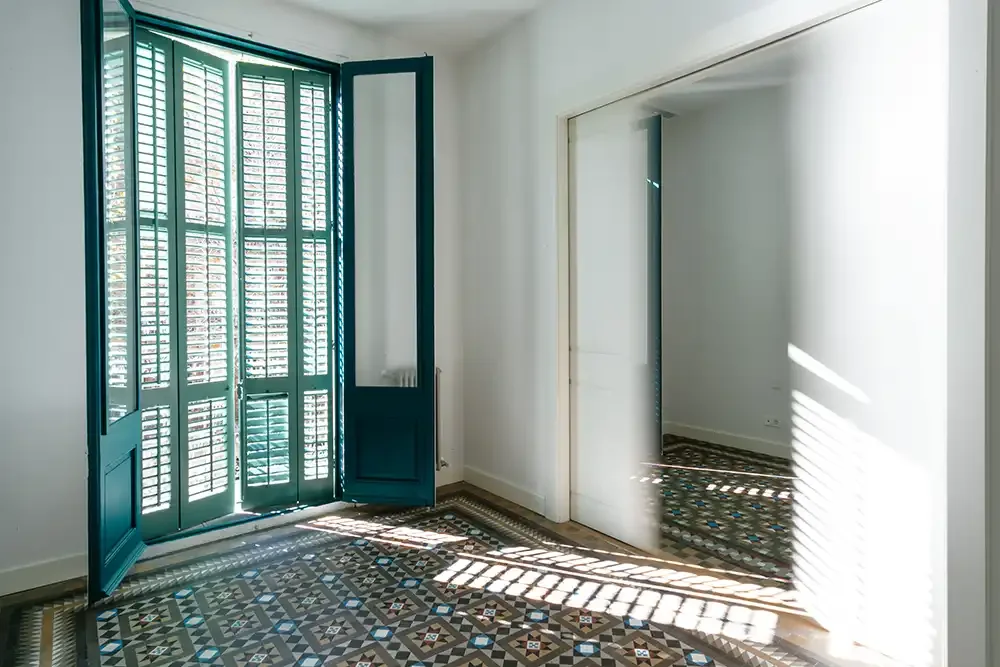
In many older buildings, you may find original hydraulic floor tiles or parquet that can be restored rather than replaced. A professional refinishing of original parquet often costs less than new flooring and preserves the character that tenants in neighbourhoods like Eixample or Gràcia genuinely appreciate.
Where original flooring is beyond repair, laminate has become a popular choice for rental properties. It is durable, affordable, and available in finishes that mimic wood or stone. It is also easier to maintain than traditional hardwood and more resistant to scratches and moisture. In bathrooms and kitchens, large-format porcelain tiles are practical and visually appealing.
Avoid carpet in most areas. It stains easily, traps odours, and is difficult to clean between tenants. If you do use carpet, limit it to bedrooms and choose a low-pile, stain-resistant option.
When selecting flooring, consider the building’s character. In a modern property in Poblenou, sleek tiles work well. In a classic Eixample apartment with high ceilings and original features, a wood-look laminate or restored parquet may be more appropriate. The flooring should complement the architecture rather than fight against it.
Small Bathroom Updates Tenants Actually Notice
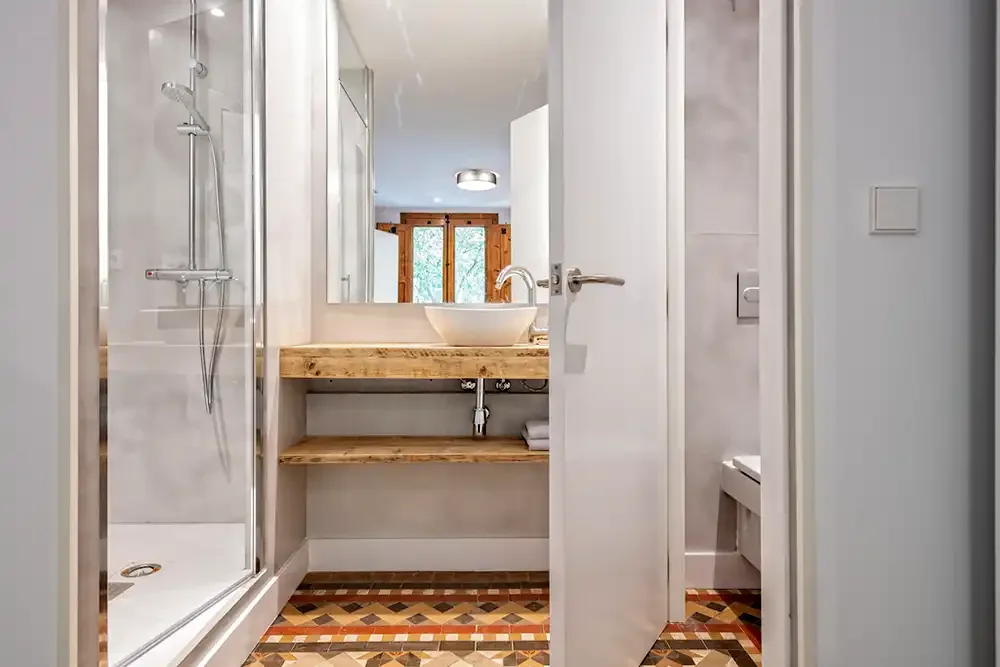
The bathroom is where tenants spend time every single day. A dated or poorly functioning bathroom is one of the most common reasons a tenant will pass on an otherwise acceptable apartment. Fortunately, you do not need a full gut renovation to make a meaningful difference.
Start with the essentials. A modern toilet, a clean sink with a functional faucet, and a shower that works properly are non-negotiable. Replace old silicone seals around sinks and baths. Re-grout tiles if the existing grout is discoloured or crumbling.
A fresh mirror, a modern towel rail, and a decent extractor fan can transform how a bathroom feels without major construction. If the budget allows, replacing an old vanity unit with something simple and contemporary makes a noticeable difference.
Ventilation is particularly important in this climate. A powerful extractor fan prevents mold and keeps the bathroom feeling fresh. Consider the shower experience as well. A good quality showerhead with adequate water pressure is a small investment that makes a disproportionate difference.
Upgrade the Kitchen Without Replacing It Entirely
The kitchen is the heart of most homes, and tenants notice it immediately. In many local apartments, where kitchens are often narrow and compact, functionality matters as much as appearance.
If the kitchen cabinets are structurally sound but look dated, consider repainting or re-laminating the doors rather than replacing the entire kitchen. New handles are inexpensive and can modernise the look instantly. Replace worn countertops if they are stained or damaged.
Appliances should be clean and functional. A reliable oven, a decent refrigerator, and a working hob are expected. If you provide a washing machine, ensure it is in good working order. Tenants will not tolerate appliances that break down repeatedly.
In older buildings, kitchen layouts can be awkward. Rather than attempting major structural changes, focus on maximising the functionality of the existing layout. Good lighting, adequate counter space, and smart storage solutions can make even a small kitchen feel efficient.
If you are unsure whether your apartment needs a full renovation or simply a strategic refresh, explore our Design & Architecture service. We help property owners prioritise improvements that maximise rental appeal while avoiding unnecessary costs.
Why Storage Matters in Compact Apartments
Storage is one of the most undervalued aspects of rental properties, yet it is consistently mentioned by tenants as a priority. Many apartments here are compact, and built-in storage can make a small space feel significantly more livable.
Consider adding wardrobes in bedrooms if none exist. Built-in shelving in living areas or hallways provides space for books, decorations, and personal items. In the kitchen, ensure there is adequate cabinet space for cookware and groceries.
Think vertically. Floor-to-ceiling shelving, wall-mounted cabinets, and over-door organisers make use of space that would otherwise be wasted. In a city where square metres come at a premium, clever storage is a genuine selling point.
When Replacing the Windows Is Worth the Cost
Old, single-glazed windows are common in older buildings. They let in noise, draughts, and temperature fluctuations. While replacing windows is a significant investment, it can be worthwhile in certain situations.
If your apartment is on a busy street like Gran Via or Aragó, noise is a genuine concern for tenants. Modern double-glazed windows reduce street noise dramatically and improve energy efficiency. In quieter side streets, the return on investment may be lower.
If full replacement is not feasible, ensure existing windows open and close properly, locks function, and seals are intact. Clean windows thoroughly before photography and viewings. Natural light sells apartments, and dirty windows undermine everything else you have done.
In some historic buildings, replacing windows may require approval from the community of owners or local heritage authorities. Check these requirements before committing to any work.
Comfort and Energy Efficiency Without a Full Renovation
Energy efficiency has become increasingly important to tenants, particularly as utility costs have risen. While major upgrades require substantial investment, there are smaller steps that show tenants you have considered their comfort.
Replace old boilers with modern, efficient models if the existing one is nearing the end of its life. Install programmable thermostats. Ensure the apartment is properly sealed against draughts. These improvements reduce running costs for tenants and demonstrate that the property is maintained to a contemporary standard.
In a Mediterranean climate where summers are hot and winters can be surprisingly cold in older buildings, temperature control matters. Simple measures like ceiling fans, proper curtains, and draft excluders can make a noticeable difference without major expense.
Renovations That Rarely Pay Off
It is just as important to know where not to spend money. We have seen owners invest heavily in features that look impressive but do nothing to improve rental income or tenant satisfaction.
Luxury Finishes
Marble countertops, imported tiles, and high-end fixtures may look beautiful, but they rarely generate enough additional rent to justify their cost. Tenants in the long-term rental market are looking for clean, functional, and well-maintained spaces. A 20,000 euro kitchen renovation will not typically command significantly more per month in rent than a well-designed 8,000 euro kitchen.
Luxury finishes also create maintenance anxiety. Tenants worry about damaging expensive surfaces. You worry about the cost of repairs. In a rental context, durability and practicality always trump opulence.
Designer Furniture
Furnishing a rental apartment with designer pieces is almost never a sound investment for long-term rentals. Furniture gets worn, stained, and damaged over time. If you are renting unfurnished, which is the standard for long-term contracts, furniture is irrelevant anyway. If you are renting furnished, choose durable, neutral, mid-range pieces that can be replaced easily.
Expensive Smart-Home Systems
Integrated smart-home technology sounds appealing, but in practice it creates more problems than it solves for rental properties. Tenants may not understand how to use the systems. Technology becomes outdated quickly. Repairs require specialised technicians. A simple, reliable thermostat and good lighting are more valuable to most tenants than an app-controlled everything.
If you want to add technology, keep it simple. A programmable thermostat, a reliable Wi-Fi router, and perhaps a video doorbell are useful additions. Avoid complex home automation systems that require training and ongoing technical support.
Highly Personal Design Choices
Your favourite colour, your preferred style of kitchen, your taste in tiles: these are personal choices, not investment decisions. A rental property needs to appeal to the broadest possible range of tenants. Bold wallpaper, unusual colour schemes, or eclectic design choices may reflect your personality, but they limit your pool of potential renters. Neutral, timeless choices always win in the rental market.
Renovation vs Interior Styling
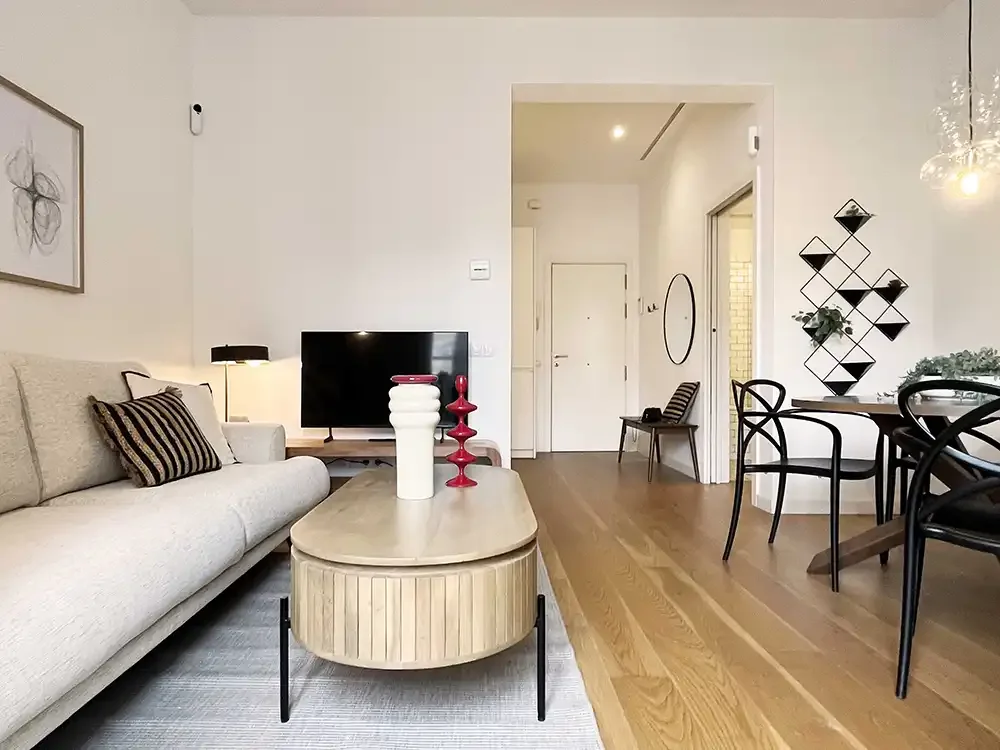
Sometimes the best investment is not a renovation at all. It is styling. A thorough deep clean, professional photography, thoughtful furniture placement, and small decorative touches can make an apartment feel completely different without a single structural change.
If your apartment is fundamentally sound, the walls are in decent condition, the kitchen works, and the bathroom is functional, consider whether styling might achieve your goals at a fraction of the cost. A professional property stylist can arrange furniture to maximise space, add textiles and accessories that create warmth, and ensure the apartment photographs beautifully.
This approach is particularly effective for owners who need to get their property on the market quickly. A two-week styling project costs far less than a two-month renovation and can be just as effective at attracting quality tenants.
The decision between renovation and styling comes down to the condition of the core elements. If the bathroom is leaking, the kitchen cabinets are falling apart, or the flooring is damaged, styling will not fix those problems. But if the issues are cosmetic, styling is often the smarter choice.
Our Design & Architecture service can help you assess whether your property needs structural improvements or whether a thoughtful refresh would be sufficient.
Renovation is only one part of protecting your investment. Our Annual Homeowner Checklist outlines the maintenance tasks that help keep your Barcelona property in excellent condition throughout the year.
A Realistic Example: Selective Improvements in Practice
Consider a 70 m² apartment in Eixample. The building is solid, the layout is functional, and the original parquet flooring is in reasonable condition. But the walls are scuffed, the kitchen cabinets are faded, the bathroom silicone is blackened, and the lighting is dim. The owner is tempted to replace the entire kitchen and bathroom.
Instead, they take a more targeted approach. The parquet is professionally cleaned and refinished. The walls are repainted in a warm off-white. The kitchen cabinet doors are repainted and fitted with new handles. The countertops are replaced. The bathroom is re-sealed, the showerhead is upgraded, and the mirror is replaced. LED lighting is installed throughout. The apartment is professionally cleaned and photographed.
The result is a property that looks fresh, functions well, and appeals to quality tenants. The investment is a fraction of what a full renovation would cost, yet the rental appeal is transformed. This is the approach we often recommend: fix what needs fixing, refresh what looks tired, and leave alone what is already working.
Budget Planning
Before you commit to any renovation, establish a clear budget and a clear objective. Ask yourself: what problem am I trying to solve? Am I trying to increase the monthly rent? Reduce vacancy time? Attract a more reliable tenant? Each goal suggests a different approach and a different budget.
A useful framework is to think in terms of payback period, though this is a simplified illustration rather than a guarantee. If a renovation costs 5,000 euros and allows you to increase the monthly rent by 100 euros, the payback period is 50 months, or just over four years. In the context of a long-term rental property, that may be acceptable depending on your holding period, the durability of the work, and applicable rent regulations. If the same renovation only allows a 30 euro increase, the payback period stretches to nearly 14 years, which makes far less sense.
Be realistic about costs. Construction prices have risen steadily in recent years. Labour is a significant component of any renovation budget. Always obtain multiple quotes. Always include a contingency of at least 15 percent for unexpected issues, particularly in older buildings where hidden problems are common.
Focus on the essentials first. A functional bathroom, a working kitchen, clean walls, and good lighting should be your baseline. Only after these are addressed should you consider additional improvements. It is better to do a few things well than many things poorly.
Consider the timing of your investment as well. If you plan to sell the property within two years, an extensive renovation may not be justified. If you intend to hold the property for a decade, the payback calculation looks very different.
Common Mistakes Property Owners Make
After years of working with international owners, we have observed the same mistakes repeatedly. Learning from them can save you significant time and money.
Renovating Too Much
The most common mistake is over-investing. Owners fall in love with their property and want it to be perfect. They install premium materials, add unnecessary features, and spend money that will never be recovered through rental income. Remember: this is an investment property, not your primary residence. Every euro should earn its place.
Renovating Too Little
The opposite mistake is just as costly. An owner tries to minimise upfront spending and ends up with an apartment that sits empty for months. The lost rental income during extended vacancies quickly exceeds what a moderate renovation would have cost. There is a minimum standard that the local market expects, and falling below it is expensive.
Ignoring Maintenance
Renovation is not a substitute for maintenance. A brand-new kitchen installed on top of a leaking pipe is a waste of money. Before any cosmetic work begins, address structural issues, plumbing problems, electrical safety, and damp. These are not exciting investments, but they are essential. Ignoring them leads to costly repairs later and can damage the new work you have just completed.
In older buildings, hidden problems are common. Old plumbing, outdated electrical systems, and inadequate waterproofing can lurk behind attractive facades. A thorough inspection before any renovation work begins is essential.
Our [Annual Homeowner Checklist] outlines the maintenance tasks that should be part of every property owner’s routine, regardless of whether you are currently renovating.
Choosing Trendy Materials
Trends come and go. What is fashionable today may look dated in five years. For rental properties, choose materials and finishes that have proven durable and timeless. Subway tiles, neutral paint, simple cabinetry, and classic flooring choices never go out of style.
The mid-2010s obsession with industrial-style interiors, exposed brick, and Edison bulbs already feels dated in many apartments. The properties that have aged best are those that prioritised quality and simplicity over fashion.
Forgetting Future Repairs
When selecting materials and fixtures, consider how easy they will be to repair or replace. A custom-built cabinet may look beautiful, but if the manufacturer goes out of business, a damaged door becomes a major problem. Standard-sized items from established brands are easier and cheaper to maintain over the long term.
Underestimating Disruption
Renovations take time, and time costs money. A project that was supposed to take six weeks stretches to three months. The apartment sits empty, generating no income, while costs accumulate. Delays are common here, where obtaining permits, coordinating trades, and sourcing materials can be slower than expected.
Build realistic timelines into your planning. Add buffer time for delays. Consider whether the lost rental income during an extended renovation might outweigh the benefits of the improvements you are making.
A Practical Renovation Checklist Before Listing a Property
Use this checklist to ensure you have covered the essentials before putting your apartment on the rental market.
Structural and Functional
• All plumbing works correctly with no leaks
• Electrical system is safe and adequate for modern use
• Heating and hot water systems function properly
• Windows open, close, and lock securely
• No signs of damp, mold, or water damage
• Doors and locks are secure and functional
• Smoke detectors are installed and working, where required
Cosmetic
• Walls are clean, freshly painted, and free from damage
• Flooring is clean, intact, and in good condition
• Lighting is adequate and modern throughout
• Kitchen is functional with working appliances
• Bathroom is clean with modern fixtures and no leaks
• Storage is adequate and well-organised
• Curtains or blinds are clean and functional
Presentation
• Apartment has been professionally cleaned
• Professional photographs have been taken
• Entrance, balcony and visible exterior areas are clean and presentable
• Any furnished items are clean, functional, and neutral
• Keys are organised and duplicates are available
Documentation
• Energy efficiency certificate is current and available, where required
• Habitation certificate is valid, where applicable
• All necessary permits for any renovation work are in order, depending on the property and the work carried out
• Inventory list is complete and photographed
This checklist forms the foundation of what our [Rental Services] team looks for when preparing a property for the market. Addressing these items before listing significantly improves your chances of finding a quality tenant quickly.
If you live outside Barcelona, managing renovation projects and ongoing maintenance remotely can quickly become challenging. Our Remote Property Management Guide explains how professional oversight helps protect your property and simplifies day-to-day ownership.
A Quick Comparison
To help you think about where to focus your investment, here is a simple comparison of common improvements.
| Improvement | Typical Investment Level | Potential Rental Appeal | Usually Worth Considering? |
|---|---|---|---|
| Painting | Low | High | Often |
| Lighting | Low | High | Often |
| Bathroom refresh | Medium | High | Often |
| Kitchen refresh | Medium | High | Often |
| Flooring repair or replacement | Medium | Medium | Sometimes |
| Storage improvements | Low to Medium | Medium to High | Often |
| Window replacement | High | Medium | Property-dependent |
| Energy-efficiency improvements | Medium to High | Medium | Sometimes |
| Luxury finishes | High | Low | Rarely |
| Designer furniture | High | Low | Rarely |
| Complex smart-home systems | High | Low | Rarely |
The correct decision for any of these improvements depends on the apartment’s current condition, the neighbourhood, the expected tenant profile, your planned rental strategy, and your renovation budget. A studio in Sant Antoni may need different work than a family apartment in Eixample. There is no universal formula.
Final Thoughts
Renovating an apartment before renting it out is not about creating a showroom. It is about creating a space that functions well, feels welcoming, and meets the expectations of today’s tenants. The best renovations are practical, proportional, and based on the property’s real needs.
Start with the fundamentals. Fix what is broken. Clean what is dirty. Paint what is tired. Only then consider whether larger investments are justified by the rental market in your specific neighbourhood. In most cases, a well-maintained apartment with fresh paint, good lighting, a functional kitchen, and a clean bathroom will outperform a neglected property with luxury touches in a few rooms.
The owners who succeed in the local rental market are those who think like investors, not decorators. They make decisions based on what tenants actually value, not on what looks impressive in a magazine. They understand that a rental property is a business asset, and they manage it accordingly.
If you are unsure which improvements would make the greatest difference to your property, our [Design & Architecture service] can help you define a practical renovation plan based on the apartment’s condition, rental potential and long-term value. We assess whether a full renovation is necessary, which improvements are likely to improve rental appeal, where to avoid unnecessary spending, and how to balance design, functionality and long-term property value.
For owners who also need support with ongoing maintenance, inspections and year-round oversight, our [Property Management service] provides comprehensive care after the renovation is complete.
Every apartment is different. Every neighbourhood has its own dynamics. The right approach is the one that fits your property, your budget, and your goals. With the right guidance, renovating before renting can be one of the smartest decisions you make as a property owner.
Frequently Asked Questions
Is it worth renovating an apartment before renting it out in Barcelona?
Not always. Every property is different. Some apartments only need cosmetic improvements such as fresh paint, updated lighting, or minor bathroom upgrades, while others benefit from more substantial renovations. The right decision depends on the apartment's condition, your budget, the type of tenants you want to attract, and your long-term investment strategy.
Which renovations usually provide the highest return on investment?
The best return typically comes from improvements that immediately enhance the apartment's overall appearance and functionality. Painting, modern lighting, updated kitchens and bathrooms, flooring repairs, and additional storage often make the biggest difference without requiring the budget of a complete renovation.
Can I rent my apartment without renovating it?
Yes, but it depends on its current condition. If the apartment is clean, well maintained, and fully functional, a full renovation may not be necessary. However, properties with visible wear, outdated finishes, or maintenance issues often take longer to rent and may attract lower rental offers.
Which renovations increase rental value the most in Barcelona?
While every property is different, kitchens, bathrooms, lighting, flooring, and fresh interior finishes generally have the greatest impact on rental appeal. Improvements that make the apartment brighter, more functional, and easier to maintain tend to provide the strongest long-term value.
Should I renovate before furnishing the apartment?
In most cases, yes. Structural repairs, painting, flooring, lighting, kitchens, and bathrooms should always come before furnishing. Once the renovation is complete, furniture and decoration can be selected to complement the finished space rather than working around outdated features.
How much should I budget for renovation before renting?
There is no fixed budget that suits every property. The right investment depends on the apartment's current condition, its location, and your rental objectives. Rather than focusing on spending as little as possible, prioritise improvements that reduce vacancy periods, increase tenant interest, and minimise future maintenance costs.
Do I need permits to renovate an apartment in Barcelona?
Some renovation projects require permits, while others do not. Cosmetic work such as painting or replacing finishes generally does not require approval, but structural alterations, changes to installations, or modifications affecting the building may require municipal authorisation. It's always advisable to confirm the requirements before starting any work.
How long does a typical apartment renovation take?
The timeframe depends on the scope of the project. Minor cosmetic improvements can often be completed within a few weeks, while larger renovations involving kitchens, bathrooms, or structural work may take several months. Planning ahead helps minimise delays before the apartment is listed for rent.
Should I renovate before looking for tenants?
Generally, yes. Completing the necessary improvements before marketing the property usually results in better photographs, stronger first impressions, more viewing requests, and shorter vacancy periods. A well-presented apartment is also more likely to attract reliable long-term tenants.
Can Casas Con Cariño manage renovation projects?
Yes. Our Design & Architecture team helps property owners assess renovation priorities, prepare realistic budgets, coordinate trusted contractors, supervise the work, and ensure the apartment is ready for the rental market.
Can Casas Con Cariño also manage my property after the renovation?
Absolutely. Once the apartment is ready, our Property Management team can oversee inspections, maintenance coordination, tenant communication, administrative tasks, and the day-to-day management of your property, helping protect its value over time.
I live abroad. Can you coordinate everything on my behalf?
Yes. Many of our clients live outside Barcelona or outside Spain. We can coordinate renovation projects, supervise contractors, provide regular progress updates, organise maintenance, and manage the property on your behalf, giving you peace of mind without the need to travel.
Does renovating always increase rental income?
Not necessarily. A renovation should not be measured only by a potential increase in monthly rent. In many cases, the greatest return comes from attracting better tenants, reducing vacancy periods, lowering maintenance costs, and protecting the long-term value of the property. The most successful renovations are those that balance investment with practical improvements rather than unnecessary luxury.
Ready to Prepare Your Barcelona Property for the Rental Market?
Every apartment is different.
Some need a complete renovation.
Others simply need the right improvements in the right places.
The challenge is knowing where your budget will have the greatest impact.
At Casas Con Cariño, we help owners make informed decisions before spending money on unnecessary work. Whether you need renovation advice, project coordination, or complete property management, our team can support you throughout the entire process.
Planning a renovation? Discover our Design & Architecture Services.
Once your renovation is complete, the next step is preparing your apartment for successful long-term rental. Learn more about our Rental Services and Property Management solutions to see how we support owners throughout every stage of the rental process.